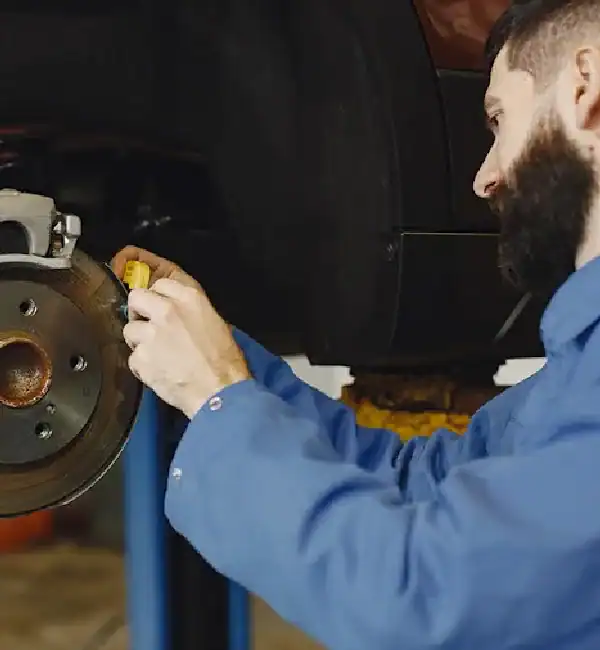
Your vehicle’s braking system is the backbone of your driving safety. Whether you’re navigating city roads or cruising on highways, reliable brakes ensure control, comfort, and protection. Many drivers ignore the early warning signs of brake failure until it turns into a costly repair or a dangerous situation. If you want expert inspection and professional brake repair, choosing the best car workshop in Sharjah like Blue Energy Auto Maintenance ensures safety, accuracy, and peace of mind.
Below are the most important warning signs that indicate your car needs brake repair immediately.
Squeaking or Screeching Noise
If your brakes make a sharp squeaking or screeching noise when you press the pedal, it is usually the first sign of trouble. Modern brake pads come with wear indicators that create this noise when they become thin. Ignoring it will eventually damage the brake discs, resulting in expensive repairs. Getting your brake pads checked early can save money and prevent further problems.
Grinding Noise While Braking
A grinding or growling noise is more serious and means your brake pads may be completely worn out. When metal rubs against metal, it damages the rotors and drastically reduces braking capability. Driving in this condition is extremely risky. It is always advised to stop long-distance driving and visit a professional car workshop immediately.
Soft or Spongy Brake Pedal
A healthy braking system gives a firm and responsive feel when you press the pedal. If the brake pedal feels soft, sinks down easily, or goes to the floor, it indicates:
- Brake fluid leakage
- Air in brake lines
- Master cylinder issues
A soft brake pedal is an emergency warning sign because it can lead to total brake failure.
Car Pulling to One Side While Braking
If your vehicle pulls to the left or right while braking, it means one side of the brake system is functioning better than the other. This usually happens due to:
- Uneven brake pads
- Stuck caliper
- Hydraulic imbalance
This condition reduces control, especially at high speeds, and increases the risk of accidents. It should never be ignored.
Vibrations or Shaking While Braking
If your steering wheel, brake pedal, or entire car vibrates when braking, your brake rotors may be warped. This typically happens due to excessive heat or worn-out components. Vibrations not only cause discomfort but also reduce braking performance. Timely inspection prevents further damage.
Brake Warning Light
The brake warning light on your dashboard is a crucial safety alert. It may indicate:
- Low brake fluid
- ABS malfunction
- Worn brake pads
- Serious brake system failure
Never ignore dashboard warning indicators. They are designed to protect you.
Burning Smell While Driving
If you notice a sharp burning smell while braking, it may indicate overheated brakes or a stuck caliper. Continuing to drive may lead to brake failure. If smoke appears from the wheels, stop driving immediately and seek professional help.
Longer Stopping Distance
If your car takes longer than usual to stop, it is a clear sign of weak braking performance. This may result from worn pads, low brake fluid, damaged rotors, or brake system failure. A delayed stopping response is extremely dangerous in emergencies.
Why Timely Brake Repair Is Important
Ignoring brake issues can result in:
- Road accidents
- Expensive repairs
- Complete brake failure
- Loss of vehicle control
Timely brake inspection ensures:
- Safe driving
- Reliable vehicle performance
- Peace of mind
- Extended vehicle lifespan
How Often Should Brakes Be Checked?
Experts recommend:
- Brake inspection every 10,000 km or 6 months
- Immediate inspection when any warning sign appears
- Timely replacement of pads, rotors, and brake fluid as required
Final Thoughts
Your braking system is your car’s most important safety feature. Paying attention to unusual sounds, warning lights, vibrations, burning smells, or poor braking response can save lives and prevent costly damage. If you notice any of these symptoms, don’t wait. Visit the best car workshop in Sharjah, Blue Energy Auto Maintenance for professional brake inspection, reliable repairs, and trusted automotive care. Your safety, comfort, and confidence on the road begin with a well-maintained braking system.

Frequently Asked Questions (FAQ)
1. How long do car brake pads usually last?
Brake pad life depends on driving habits and conditions, but generally they last between 25,000 to 60,000 km. City driving may wear them faster than highway driving.
2. Is it safe to drive with worn-out brake pads?
No. Driving with worn brake pads reduces stopping power, damages rotors, and increases accident risk. Always replace them as soon as signs appear.
3. How often should brake fluid be changed?
Brake fluid should typically be replaced every 2 years or as recommended by the vehicle manufacturer. Moisture buildup weakens braking performance over time.
4. Why do new brakes sometimes make noise?
New brakes may squeak due to temporary friction, dust, or surface coating on pads. However, if noise continues for long, it needs inspection.
5. Do both front and rear brakes need to be replaced together?
Not always. Front brakes usually wear faster than rear brakes, but technicians check both and recommend replacements based on condition.
6. Can worn brake pads damage brake rotors?
Yes. When pads wear out completely, metal rubs against metal and severely damages rotors, increasing repair cost significantly.
7. How do I know if my car needs brake fluid top-up?
If you experience soft brakes, warning lights, or reduced stopping response, it may indicate low brake fluid. Always get it professionally checked rather than topping up blindly.
8. Does aggressive driving damage brakes?
Yes. Sudden braking, high-speed driving, and frequent stop-start traffic wear brakes faster and cause overheating.
9. Why do my brakes smell burning sometimes?
A burning smell indicates overheated brakes or a stuck caliper. Stop the car safely and let the brakes cool. If smell continues, get professional service.
10. How much does brake repair usually cost?
Cost depends on the car model, brake type, and parts required. Inspection is recommended to determine accurate pricing.