
A reliable car battery is essential for smooth daily driving, yet many car owners experience unexpected battery drain without knowing the real cause. Sudden battery failure, slow starting, or repeated jump-starts usually indicate underlying electrical problems that require expert attention. At Blue Energy Auto. Maintenance, recognized as the best car workshop in Sharjah, technicians accurately diagnose battery and electrical issues using advanced tools and also provide car battery replacement for vehicles that need new batteries.
This article explains the most common causes of battery drain, including parasitic drains, alternator failure and poor grounding, along with practical fixes and prevention tips.
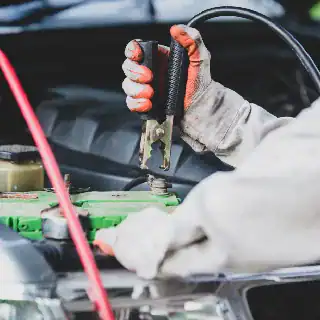
What Causes Battery Drain in a Car
Car batteries naturally lose a small amount of charge when the engine is off. However, certain faults can accelerate the drain and leave the vehicle unable to start. Below are the most common reasons for unexpected battery power loss.
Parasitic Drains
A parasitic drain occurs when an electrical component continues drawing power after the ignition is switched off. While small drains from systems such as the clock, ECU or security module are normal, excessive drain can weaken the battery quickly.
Common sources include:
- Interior or trunk lights that remain on
- Faulty door switches
- Incorrectly installed aftermarket accessories
- Glove box lights staying on
- Stuck relays or malfunctioning control modules
- Damaged or shorted wiring
Parasitic drains are often hidden and difficult to identify without proper testing equipment. Many drivers only notice the issue when the battery dies overnight or the car struggles to start in the morning.
Alternator Failure
The alternator charges the battery while the engine is running. If it becomes weak or fails, the battery will not receive the required voltage, which results in frequent drain.
Signs of alternator-related battery issues include:
- Dim or flickering headlights
- Faulty door switches
- Electrical accessories are functioning irregularly
- Battery is dying even after long drives
An alternator that does not supply consistent power puts a heavy load on the battery. This leads to rapid discharge and reduces the battery lifespan.
Poor Grounding
Ground wires complete the electrical circuit in a vehicle. If grounding points become loose, corroded or damaged, electrical flow becomes unstable. This can cause inconsistent charging and frequent battery drain.
Common symptoms include:
- Slow engine cranking
- Electronics resetting unexpectedly
- Flickering interior lights
- Warm or discolored grounding cables
Poor grounding affects the entire electrical system. It is one of the most overlooked causes of battery drain because it is not easily visible without inspection.
How Technicians Fix Battery Drain Issues
Fixing battery drain requires a systematic diagnostic approach. Professionals follow structured steps to identify the root cause.
Step 1: Battery Health Testing
The battery is tested for voltage, charge retention and overall condition. If the battery fails, car battery replacement becomes the recommended solution.
Step 2: Parasitic Draw Testing
A digital ammeter is used to measure current flow when the car is switched off. This helps locate abnormal power consumption from lights, accessories, wiring faults or electronic modules.
Step 3: Charging System Inspection
The alternator output is tested to confirm whether it is undercharging or overcharging. Voltage regulators, belts and connections are checked to ensure proper charging.
Step 4: Electrical Circuit Diagnosis
Fuses, relays, connectors and wiring circuits are inspected. Faulty wiring, short circuits or damaged components are repaired or replaced.
Step 5: Grounding Inspection
All grounding points are cleaned, tightened or replaced. Proper grounding ensures stable electrical flow and prevents unnecessary drain.
This complete procedure ensures accurate diagnosis and reduces the chances of repeated battery issues.

Tips to Prevent Battery Drain
Although some problems require professional repair, drivers can reduce the risk of battery drain by following these simple preventive measures.
Turn Off All Lights and Accessories
Before leaving the car, ensure that the headlights, interior lights and trunk lights are off. Faulty switches can keep lights on without the driver noticing.
Avoid Leaving Chargers Plugged In
Phone chargers, dash cams and accessories continue drawing power even when the engine is switched off.
Drive the Car Regularly
Short trips do not allow the alternator enough time to recharge the battery. Regular and longer drives help maintain proper battery charge.
Keep Battery Terminals Clean and Tight
Corrosion and loose terminals interrupt efficient electrical flow, which increases battery drain.
Schedule Electrical System Checkups
Regular inspections help identify early signs of parasitic drains, weak alternators or grounding faults.
Replace Weak Batteries on Time
Old batteries struggle to hold a charge. Replacing them at the right time prevents sudden failures.
Final Thoughts
Battery drain can result from parasitic draws, alternator issues or poor grounding. These problems often remain unnoticed until the vehicle refuses to start. With proper diagnosis and timely repair, battery and electrical issues can be resolved effectively. As the best car workshop in Sharjah, Blue Energy Auto. Maintenance offers expert electrical diagnostics and car battery replacement, ensuring that your vehicle stays reliable and ready for daily use.
If your car shows signs of battery drain or power loss, a professional inspection is the best way to avoid breakdowns and costly repairs.
Frequently Asked Questions (FAQ)
1. Can a car battery drain even if the car is new
Yes. New cars have many electronic systems that stay active even when the vehicle is off. A faulty sensor, module, or wiring issue can drain the battery regardless of the car’s age.
2. Can cold or hot weather cause battery drain
Yes. Extreme temperatures affect battery chemistry. Heat accelerates battery wear, while cold weather reduces its ability to deliver power, making drains more noticeable.
3. Will a weak battery damage other electrical components
A weak battery can stress the alternator because it has to work harder to keep the battery charged. Over time, this may lead to alternator failure.
4. Can infrequent driving cause battery drain
Yes. Short or infrequent trips prevent the alternator from fully charging the battery, making it easier for the battery to drain.
5. Can a bad fuse cause battery drain
A blown or faulty fuse can cause continuous power flow to certain components, which leads to parasitic drain. Testing fuses is part of a proper diagnostic process.
6. Should I disconnect my battery if I am not using the car for long
It can help, but it may reset radio settings, clock, ECU data, or security features. Using a trickle charger is a safer option for long-term parking.
7. What are the signs that my car battery needs replacement
Common signs include slow engine cranking, dim headlights, clicking sounds when starting, dashboard warning lights, and repeated jump-starts.
8. Does a weak battery cause poor engine performance
Yes. A weak battery can affect ignition timing, fuel injection, and sensor performance, which may lead to rough idling or reduced engine efficiency.
9. What is the ideal way to maintain a healthy car battery
Regular driving, keeping terminals clean, checking alternator output, avoiding unnecessary electrical load, and timely servicing help extend battery life.
10. Why does my car battery drain overnight
Possible causes include parasitic drains, faulty alternators, interior lights staying on, damaged wiring, or accessories drawing power while the car is off.