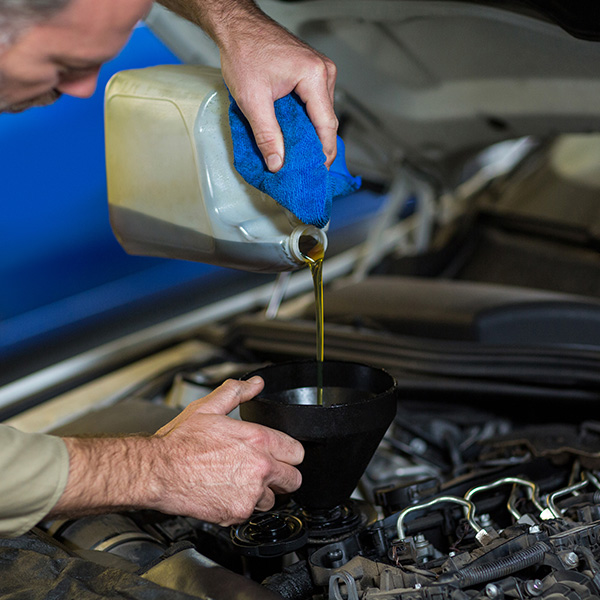
When it comes to vehicle maintenance, choosing the correct lubricant is essential for protecting important drivetrain components. Two terms that are often confused are transmission fluid and gear oil. Although both are designed to reduce friction and protect mechanical components, they are formulated for different applications and should not automatically be treated as interchangeable.
At Blue Energy Auto Maintenance, proper vehicle care includes using the right lubricant for each drivetrain component. Transmission fluid is commonly associated with automatic and continuously variable transmissions, while gear oil is typically used in manual gearboxes, differentials, transfer cases, and other components that operate under high pressure. Using the wrong lubricant can affect component performance and may contribute to premature wear.
For vehicle owners, understanding the difference between transmission fluid and gear oil can make routine maintenance easier and help prevent costly drivetrain problems. This guide explains how they differ, where they are used, and why selecting the correct fluid matters. With professional maintenance and the right fluid selection, Blue Energy Auto Maintenance helps vehicle owners maintain smooth and reliable vehicle performance.
What Is Transmission Fluid?
Transmission fluid is a specially formulated lubricant used in vehicle transmission systems. It does more than simply lubricate moving parts. Depending on the transmission type, it can also help transfer hydraulic pressure, control friction between components, remove heat, and support smooth gear changes.
Automatic transmissions rely heavily on transmission fluid because the fluid is part of the transmission’s operating system. It helps components such as the torque converter, clutch packs, valves, and gears function correctly.
Different transmission technologies require different types of fluid. Common examples include:
- Automatic Transmission Fluid (ATF): Designed for conventional automatic transmissions and formulated to meet specific friction, lubrication, and temperature requirements.
- CVT Fluid: Used in continuously variable transmissions and specially formulated for the belts, chains, pulleys, and other components used by CVT systems.
- DCT Fluid: Designed for dual-clutch transmissions, which have their own lubrication and friction-control requirements.
Because these fluids have different formulations, the correct specification should always be confirmed before servicing a vehicle.
What Is Gear Oil?
Gear oil is a heavy-duty lubricant primarily designed for gears and components that operate under high loads and pressures. It is commonly used in manual transmissions, differentials, transfer cases, and certain other drivetrain applications.
Gear oil typically contains additives designed to protect gear teeth from wear when they operate under significant pressure. Its viscosity and additive package can differ considerably from those of automatic transmission fluids.
Common gear oil grades include specifications such as 75W-90, 80W-90, and 85W-140, although the appropriate grade depends on the vehicle and manufacturer’s requirements.
Gear oil is particularly important in differentials. Differential gears continuously transfer engine power to the wheels while allowing the wheels to rotate at different speeds during cornering. Proper lubrication helps protect these gears from excessive friction and wear.
Transmission Fluid vs Gear Oil: Key Differences
Although both products are lubricants, their formulations and applications are different.
1. Different Applications
Transmission fluid is commonly used in automatic transmissions, CVTs, and dual-clutch transmissions, depending on the vehicle.
Gear oil is commonly used in manual transmissions, differentials, and transfer cases.
However, application varies between vehicle manufacturers, so the vehicle’s specifications should always be checked before selecting a lubricant.
2. Different Viscosity Requirements
Gear oil is generally available in heavier viscosity grades because it is designed to protect heavily loaded gears.
Transmission fluids are generally formulated to flow more readily through the transmission system. In automatic transmissions, fluid must circulate through narrow passages and hydraulic components while maintaining the required friction characteristics.
Viscosity is therefore only one part of the specification. The correct fluid must meet the complete requirements established by the vehicle manufacturer.
3. Different Additive Packages
Transmission fluid and gear oil contain different additive packages because they perform different jobs.
Transmission fluid may contain additives that help control friction, oxidation, corrosion, foaming, and deposits while maintaining consistent operation across changing temperatures.
Gear oil often contains extreme-pressure additives designed to protect gear surfaces under heavy loads.
Using a lubricant with the wrong additive package can interfere with the way a drivetrain component is designed to operate.
4. Different Friction Requirements
Automatic transmissions depend on carefully controlled friction characteristics. Clutch packs and other internal components need the fluid to provide a specific amount of friction to engage and release correctly.
Gear oil, on the other hand, is primarily designed to protect gear surfaces and bearings under high mechanical loads.
This difference is one reason why simply choosing a lubricant based on its viscosity is not enough.
Can Transmission Fluid and Gear Oil Be Used Interchangeably?
Generally, transmission fluid and gear oil should not be considered interchangeable.
A vehicle manufacturer specifies a particular lubricant based on the transmission design, component materials, operating temperature, pressure, friction requirements, and other factors.
For example, putting conventional gear oil into an automatic transmission that requires a specific ATF can interfere with hydraulic operation and clutch engagement. Similarly, using an unsuitable transmission fluid in a differential can provide inadequate protection for heavily loaded gears.
Some manual transmissions are specifically designed to use certain automatic transmission fluids rather than conventional gear oils. This shows why assumptions based only on the words “transmission” or “gear” can be misleading.
Always follow the manufacturer’s recommended fluid type and specification.
What Happens If You Use the Wrong Fluid?
Using the wrong lubricant can create different problems depending on the vehicle and component involved. It may lead to poor shifting, overheating, unusual noises, or increased internal wear. Understanding common transmission problems and their warning signs can help vehicle owners identify potential issues before they develop into more serious damage.
Potential issues can include:
- Poor or abnormal gear operation
- Difficulty shifting
- Excessive friction
- Increased component wear
- Overheating
- Unusual drivetrain noises
- Clutch engagement problems
- Reduced lubrication performance
- Potential internal component damage
In some cases, the effects may not appear immediately. Continued operation with an unsuitable fluid can increase wear over time.
If the wrong fluid has been added, it is best to have the vehicle inspected and the situation assessed by a qualified automotive technician.
How Do You Know Which Fluid Your Car Needs?
The easiest way to identify the correct lubricant is to follow the vehicle manufacturer’s specification.
Useful sources of information include the vehicle owner’s manual, manufacturer’s service documentation, or information provided by a qualified automotive service professional.
Do not select a fluid based only on its color or general description. Different fluids can look similar while having completely different specifications.
Before a transmission or differential service, technicians should verify the vehicle’s make, model, year, transmission type, and recommended lubricant specification.
Does the UAE Climate Affect Transmission Lubrication?
Vehicles in the UAE can operate in demanding conditions, particularly during periods of high ambient temperature. Heavy traffic, frequent acceleration, long journeys, and extended periods of driving can also place additional thermal demands on drivetrain components.
Correct lubrication helps components operate within their intended conditions. However, using a fluid simply because it is marketed for hot climates does not replace the manufacturer’s specification.
The correct approach is to use a lubricant that meets the vehicle manufacturer’s requirements while following the recommended service schedule.
When Should Transmission Fluid or Gear Oil Be Changed?
There is no single replacement interval that applies to every vehicle.
The recommended service interval can depend on factors such as:
- Vehicle make and model
- Transmission type
- Fluid specification
- Mileage
- Driving conditions
- Towing or heavy-load use
- Manufacturer recommendations
Some vehicles have specific transmission-fluid service intervals, while others may have different maintenance requirements. Certain manufacturers may also recommend inspection rather than a fixed replacement interval.
For this reason, vehicle owners should refer to the manufacturer’s maintenance schedule rather than relying on a universal mileage figure.
Why Professional Fluid Selection Matters
Transmission and drivetrain systems are designed around specific lubricant characteristics. Selecting the correct product is therefore an important part of professional vehicle maintenance.
Professional transmission service can help ensure that the correct fluid is used and that the transmission is inspected according to the vehicle manufacturer’s requirements.
At Blue Energy Auto Maintenance, technicians can assess the vehicle and help identify the appropriate maintenance requirements based on the manufacturer’s specifications. Professional inspection can also help identify leaks, fluid deterioration, or other drivetrain concerns before they develop into more significant issues.
If you are unsure whether your vehicle requires transmission fluid, gear oil, or another specialized lubricant, getting the specification checked before servicing can help prevent unnecessary problems.
Conclusion
Transmission fluid and gear oil may both lubricate vehicle components, but they are not simply two names for the same product. Transmission fluids are formulated for the specific requirements of automatic, CVT, and other transmission systems, while gear oils are commonly designed to protect heavily loaded gears in differentials, manual transmissions, and transfer cases.
The correct lubricant depends on the vehicle and component being serviced. Factors such as viscosity, additives, friction characteristics, temperature requirements, and manufacturer specifications all need to be considered.
Using the right fluid at the appropriate service interval can support smooth operation and help protect drivetrain components from unnecessary wear. When in doubt, consult the vehicle manufacturer’s specifications or a qualified automotive technician before adding or replacing any transmission or gear oil.
For professional vehicle maintenance and drivetrain-related services, Blue Energy Auto Maintenance can help you identify the appropriate service requirements for your vehicle.