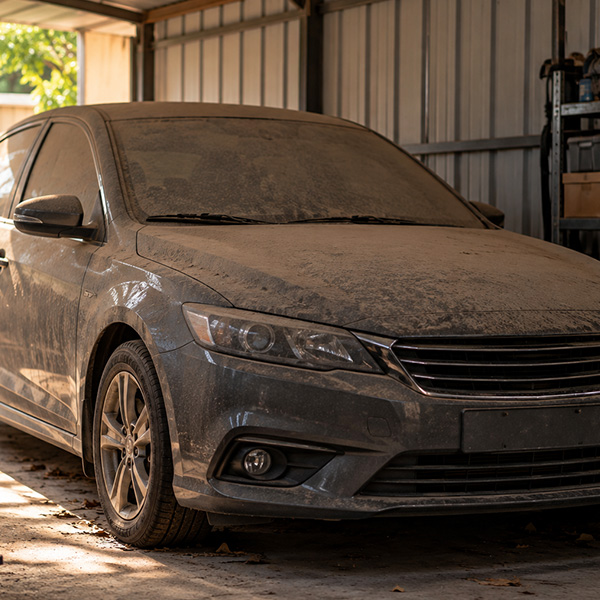
Cars are designed to be driven regularly, but there are situations when a vehicle may remain parked and unused for an extended period. Long holidays, overseas travel, a change in vehicle usage, or simply having another vehicle available can all result in a car being left stationary for weeks, months, or longer. While a parked car may appear unchanged from the outside, extended inactivity can gradually affect several mechanical and electrical components.
A vehicle that has been left unused for an extended period can develop issues with the battery, tyres, brakes, engine oil, fuel system, fluids, belts, hoses and air-conditioning system. The UAE climate can also add to these concerns, as high temperatures, intense sunlight and dust can place additional stress on certain vehicle components. This means that simply starting the engine after a long period of inactivity does not necessarily mean the car is ready to be driven normally.
As a car repair garage in Sharjah, we understand the importance of checking a vehicle carefully before it returns to regular use. Whether your car has been parked in a garage, an outdoor parking area or at home, a proper inspection can help identify issues that may not be immediately noticeable. Checking the battery, tyres, brakes, fluids and other essential systems before driving can help prevent unexpected breakdowns and potential safety concerns. In this article, we explain what can happen when a car remains unused for a long time and the important checks you should carry out before driving it again on UAE roads. Properly preparing your vehicle before driving again can help ensure a safer, smoother and more reliable driving experience.
What Happens to a Car When It Sits Unused?
A vehicle may look perfectly fine from the outside after being parked for a long time, but various components can deteriorate without regular use. Unlike normal wear caused by driving, some of these issues develop simply because the vehicle remains stationary and exposed to time, temperature changes, moisture and environmental conditions.
Some problems may only become noticeable when you attempt to start or drive the car. The engine may not start, warning lights may appear on the dashboard, the brakes may feel different, or you may notice unusual sounds, vibrations or handling issues. This is why a vehicle that has been unused for an extended period should be checked carefully before returning to regular driving.
1. The Battery Can Lose Its Charge
The battery is one of the first components likely to be affected when a car remains unused. Even when the engine is switched off, certain electrical systems continue to consume a small amount of power. Over time, this gradual drain can leave the battery completely discharged.
A battery that has remained discharged for an extended period may also suffer permanent internal damage and may not recover properly even after being connected to a charger. In some cases, replacing the battery may be necessary.
Before starting an unused vehicle, check the battery for signs of corrosion, leakage or physical damage. If the battery is weak, the car may struggle to start or may produce clicking sounds when you turn the ignition on. Electrical functions such as the lights, central locking and dashboard systems may also be affected.
2. Tyres Can Deteriorate
Tyres support the vehicle continuously, even when it is not moving. When a car remains parked in the same position for an extended period, the tyres can develop flat spots because the same section of the tyre remains in contact with the ground. These flat spots may cause vibrations when the vehicle is driven again.
Long-term exposure to heat and sunlight can also contribute to cracking, hardening and other forms of rubber deterioration. This is particularly important in the UAE, where high temperatures and strong sunlight can place additional stress on tyre materials.
Before driving an unused vehicle, inspect the tyres for cracks, uneven wear, bulges, cuts and other visible signs of damage. Also check the tyre pressure and adjust it according to the manufacturer’s recommended level. If the tyres show significant deterioration, they should be professionally assessed before the vehicle is driven.
3. Engine Oil and Other Fluids May Degrade
Engine oil plays an important role in lubricating internal engine components and helping reduce friction and heat. When a vehicle sits unused for a long period, the oil can become contaminated or lose some of its effectiveness. Moisture and other contaminants can also accumulate depending on the storage conditions.
Other fluids should not be overlooked either. Brake fluid, coolant, transmission fluid, power steering fluid and other vehicle-specific fluids should be checked for correct levels, condition and possible leaks.
Incorrect fluid levels or contaminated fluids can affect vehicle performance and contribute to mechanical problems. Before putting an unused car back into regular service, checking the fluid levels and carrying out any necessary fluid and filter changes can help ensure that the vehicle’s essential systems are properly maintained.
4. Brakes Can Develop Rust or Become Stuck
Brake discs and other exposed metal components can develop surface rust when a vehicle is parked for a long time. A small amount of surface rust may disappear after normal braking, but heavier corrosion can affect braking performance and may require professional attention.
In some cases, brake components can also become stuck, particularly if the vehicle has been exposed to moisture or has remained stationary for an extended period. The parking brake may also be affected.
Before taking an unused vehicle onto busy roads, check how the brakes respond. Unusual grinding or squealing noises, a soft or hard brake pedal, pulling to one side, vibrations or reduced braking performance should not be ignored. A professional brake inspection can help determine whether the vehicle is safe to drive.
5. Old Fuel Can Cause Problems
Fuel can deteriorate when it remains in the tank for an extended period. Over time, fuel can lose some of its original properties and may contribute to deposits within the fuel system. This can potentially affect components such as fuel injectors, the fuel pump and other parts involved in delivering fuel to the engine.
Depending on how long the vehicle has been unused and the condition of the fuel, the engine may be difficult to start, run roughly or show reduced performance.
If the vehicle has been unused for a particularly long period, the fuel system should be inspected before normal driving resumes. It is also important not to assume that adding fresh fuel to very old fuel will automatically resolve the problem. The best approach depends on the vehicle, the condition of the fuel and how long it has been stored.
6. Belts, Hoses and Rubber Components Can Age
Time affects rubber components even when a vehicle is not being driven. Belts, hoses, seals, bushings and other rubber parts can become brittle, cracked, hardened or weakened over time. Heat can accelerate this deterioration, making regular inspection particularly important for vehicles stored in hot environments.
A damaged belt or hose may not cause any noticeable issues while the vehicle is parked, but it can fail once the engine is running. For example, a damaged drive belt can affect engine accessories, while a deteriorated hose may lead to a coolant or fluid leak.
A visual inspection under the bonnet can help identify obvious signs of deterioration before they develop into more serious problems. Look for cracks, fraying, swelling, loose connections or signs of leakage. If the condition of a belt or hose is uncertain, having it checked by a qualified technician is a safer approach than waiting for it to fail.
7. The Air Conditioning System May Be Affected
The air conditioning system is particularly important in the UAE, where comfortable cabin temperatures are essential for everyday driving. When a vehicle remains unused for a long period, the AC system may require inspection before regular use.
Seals, hoses, the compressor and other components can develop issues during extended inactivity. Dust and debris can also accumulate around filters and air intake areas, potentially affecting airflow and cabin comfort.
When restarting an unused car, check whether the AC produces adequate cooling and whether there are unusual noises or odours. If the system is not cooling properly, it should be inspected rather than continuing to operate it without identifying the cause.
8. Rodents and Other Pests Can Cause Hidden Damage
A vehicle that remains parked and undisturbed can become an attractive place for rodents and other pests. They may build nests around the engine bay, air intake or other sheltered areas and can sometimes damage wiring, insulation and other components.
This type of damage may not always be immediately visible. Before starting a vehicle that has been unused for a long time, inspect the engine bay and surrounding areas for nesting materials, droppings, damaged wires or unusual debris.
If there are signs of pest activity or damaged wiring, the vehicle should be professionally inspected before it is driven.
Why UAE Conditions Make Vehicle Checks Important
The UAE’s climate can be particularly demanding for vehicles. High temperatures and prolonged exposure to sunlight can accelerate the deterioration of certain components, particularly tyres, rubber parts, paint, batteries and air-conditioning components.
A car that has been parked outdoors may therefore require more careful inspection before being returned to regular use.
Dust and sand can also accumulate around the engine bay, air filters and other areas of the vehicle. If the car has been parked for an extended period, checking these areas can help ensure that the vehicle is ready for the road.
What to Check Before Driving an Unused Car in the UAE
Before taking a long-unused vehicle onto UAE roads, it is better to carry out a complete inspection rather than checking only whether the engine starts.
Check the Battery
Inspect the battery for signs of leakage, corrosion or damage. If it is unable to hold a proper charge, replacement may be necessary.
Inspect the Tyres
Check tyre pressure and carefully examine the sidewalls and tread. Look for cracks, bulges, flat spots and other signs of deterioration. Tyres that have aged significantly may need to be replaced even if the tread appears acceptable.
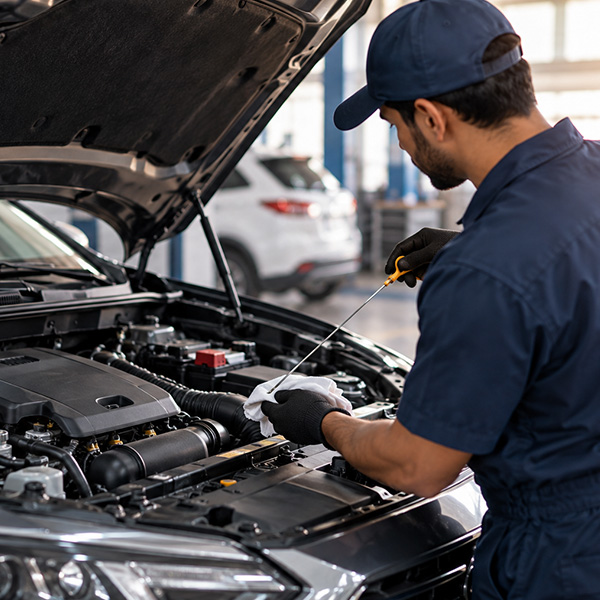
Check Engine Oil
Check the engine oil level and condition. If the oil has been in the vehicle for an extended period, an oil and filter change may be recommended before regular driving.
Inspect Coolant and Other Fluids
Check the coolant, brake fluid, transmission fluid and other relevant fluids. Look for unusual colour, contamination, low levels or visible leaks.
Examine the Brakes
Before driving normally, inspect the brake discs, pads and other components. If the brakes feel weak, make unusual noises or the vehicle pulls to one side while braking, have them checked by a professional.
Check the Air Conditioning
A well-functioning AC system is particularly important for comfortable driving in the UAE climate. After long-term inactivity, inspect the AC system and check whether it is cooling properly.
Inspect Belts and Hoses
Look for cracks, brittleness, swelling or other visible damage. Damaged belts or hoses can lead to unexpected breakdowns if they fail while driving.
Look for Rodent or Pest Damage
A parked vehicle can attract rodents and other pests, particularly when left undisturbed for a long period. Check the engine bay, wiring, air intake and other accessible areas for signs of nesting or damaged cables.
Should You Drive the Car Immediately After It Starts?
Not necessarily. An engine starting does not mean the vehicle is ready for normal driving.
After a long period of inactivity, the car should be inspected carefully before being driven at normal speeds. Pay attention to warning lights, unusual sounds, fluid leaks, unusual vibrations and brake performance.
If anything appears abnormal, it is better to have the vehicle inspected by a qualified automotive technician rather than continuing to drive it.
Professional Inspection Can Prevent Bigger Problems
Bringing an unused car back onto the road involves more than replacing the battery and starting the engine. Prolonged inactivity can affect the brakes, tyres, fluids, battery, suspension, AC system and other important components. Some issues may not be visible during a basic inspection but can become serious once the vehicle is driven.
A professional inspection can help identify potential problems early and determine whether the car needs maintenance or repairs before returning to regular use. Checking the engine, fluids, brakes, tyres, battery, belts, hoses and air conditioning can help ensure the vehicle is ready for UAE roads. When choosing a workshop for an unused vehicle, it is important to select the best car repair garage with experience in handling different vehicle makes and models. The right workshop can assess the overall condition of the car and recommend only the necessary maintenance or repairs.
At Blue Energy Auto Maintenance, we provide inspection, maintenance and repair services for a wide range of vehicles, including German, American, Korean and Chinese models. From battery and oil checks to brake, tyre, AC and general vehicle inspections, our team can assess your car and recommend the necessary maintenance based on its condition.
Having your vehicle checked before driving it regularly can help prevent unexpected breakdowns and ensure a safer, more reliable return to the road.
Get Your Car Ready for the Road Again
Leaving a car unused for a long period does not necessarily mean it will suffer serious damage, but it does mean that several components should be checked before the vehicle returns to regular use. Battery condition, tyres, brakes, fluids, fuel, belts, hoses and air conditioning are all important areas to consider.
Instead of taking an unnecessary risk by driving an unused vehicle without an inspection, have it checked and serviced first. Proper preparation can help identify developing problems early, improve reliability and give you greater confidence when getting back on the road in the UAE.
If your car has been parked for an extended period, Blue Energy Auto Maintenance can help inspect and prepare it for safe and reliable everyday driving.
Frequently Asked Questions (FAQ)
1. How long can a car sit unused before it develops problems?
A car can start developing issues after several weeks or months of inactivity. The longer it remains unused, the greater the chance of battery, tyre, brake, fluid and other component-related problems.
2. Should I change the engine oil before driving a car that has been unused for a long time?
It is advisable to check the oil condition and level before driving. If the oil has been sitting for an extended period, an oil and filter change may be recommended depending on the vehicle and its maintenance schedule.
3. Can tyres become unsafe even if they have not been driven much?
Yes. Tyres can deteriorate with age and prolonged exposure to heat and sunlight. Cracks, hardening, flat spots and other damage can affect their safety even when the tyres have low mileage.
4. Should I drive an unused car immediately after getting it started?
It is better to inspect the vehicle first. Check the battery, fluids, tyres, brakes, warning lights and other essential systems before driving normally.
5. Can an unused car have brake problems?
Yes. Brake discs can develop rust, while certain brake components may become stuck after prolonged inactivity. A brake inspection is recommended before regular driving.
6. Does the UAE climate affect cars that are parked for long periods?
Yes. High temperatures, intense sunlight and dust can accelerate the deterioration of tyres, batteries, rubber components and other vehicle parts.
7. What should I check before driving an unused car in the UAE?
Check the battery, tyres, brakes, engine oil, coolant, other fluids, fuel system, belts, hoses, AC system and visible signs of leaks or pest damage. A professional inspection is recommended if the vehicle has been unused for an extended period.
8. Can a car repair garage inspect different vehicle brands after long-term storage?
Yes. A qualified workshop can inspect different makes and models and assess their condition based on the vehicle’s specific requirements. At Blue Energy Auto Maintenance, we work with German, American, Korean and Chinese vehicle models.