
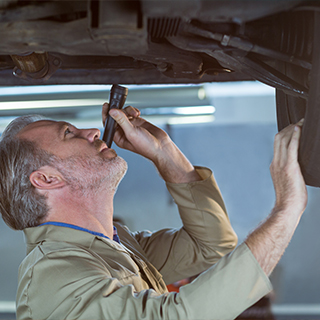
Your car’s suspension system plays a vital role in maintaining comfort, stability, and safety while driving. It is responsible for absorbing shocks from rough roads, supporting the vehicle’s weight, and ensuring that your tires maintain proper contact with the road surface. A well-functioning suspension system improves steering response, enhances braking performance, and provides a smoother, more controlled driving experience. However, when suspension components begin to wear out, they can affect everything from ride quality to vehicle handling, ultimately putting your safety at risk.
At Blue Energy Auto Maintenance, a trusted car repair garage in Sharjah, vehicle performance and safety remain a top priority. From routine inspections to advanced suspension diagnostics and repairs, proper automotive care helps drivers maintain excellent road handling, comfort, and long-term vehicle reliability. Understanding the warning signs of suspension trouble can help you address issues early before they turn into expensive repairs.
Understanding Your Car’s Suspension System
The suspension system is a complex network of components designed to work together to support the vehicle, absorb road impact, and improve handling. Major suspension parts include:
- Shock absorbers and struts – Reduce bouncing and absorb road shocks
- Springs – Support the vehicle’s weight and maintain proper ride height
- Control arms – Connect wheels to the chassis while allowing controlled movement
- Ball joints – Help suspension movement and steering flexibility
- Bushings – Minimize friction and vibration between components
- Sway bars – Improve vehicle balance while turning
- Wheel alignment components – Ensure tires stay properly positioned on the road
When one or more of these components become damaged or worn, the suspension system cannot perform effectively.
Signs Your Car Suspension Needs Immediate Repair
Your car’s suspension system is essential for maintaining stability, steering control, and overall driving comfort. When suspension components begin to wear out, your vehicle may start showing warning signs that should never be ignored. From unusual noises and rough ride quality to uneven tire wear and poor handling, early symptoms often indicate underlying suspension issues that require professional attention. Identifying these signs early can help prevent further damage, improve safety, and avoid more expensive repairs in the future.
Excessive Bouncing After Driving Over Bumps
One of the earliest signs of suspension wear is excessive bouncing after hitting potholes, uneven roads, or speed bumps. A healthy suspension quickly absorbs the shock and stabilizes the vehicle. If your car continues bouncing for several seconds, worn shock absorbers or struts may be the cause.
Rough and Uncomfortable Ride Quality
If every bump on the road feels unusually harsh, your suspension may no longer be absorbing impact properly. This not only reduces comfort but can also place additional stress on the vehicle’s frame, tires, and steering components.
Uneven Tire Wear
Suspension issues often cause poor wheel alignment and uneven weight distribution. This results in irregular tire wear, including bald spots, feathering, or excessive wear on one side of the tire. Uneven tire wear reduces traction, increases replacement costs, and affects braking efficiency.
Vehicle Pulling to One Side
If your vehicle drifts left or right even when driving on a straight road, worn suspension components or alignment issues may be affecting steering stability. This makes driving less predictable and increases the risk of accidents.
Front-End Nose Diving During Braking
When you brake suddenly, the front of your car should remain controlled. If it sharply dips forward, worn shocks, struts, or weak springs may be failing to support the vehicle properly. This can reduce braking effectiveness and affect overall control.
Rear-End Squatting During Acceleration
If the rear of your car lowers noticeably during acceleration, it may indicate weak rear suspension components. This affects balance, traction, and steering response.
Difficulty Steering
A stiff, loose, or unresponsive steering wheel can often point to suspension wear. Damaged ball joints, worn bushings, or failing suspension mounts can make steering less accurate and more difficult to control.
Strange Noises While Driving
Clunking, knocking, squeaking, or rattling noises when driving over bumps are common signs of suspension damage. These sounds may indicate:
- Worn bushings
- Loose stabilizer links
- Damaged ball joints
- Broken coil springs
- Worn control arm components
Ignoring these sounds can lead to more severe mechanical problems.
Vehicle Leaning While Turning
If your car leans excessively when cornering, worn sway bars or weak shocks may be reducing vehicle stability. This affects handling and increases rollover risk in sudden maneuvers.
One Side of the Vehicle is Sitting Lower
If one corner of your vehicle appears lower than the others, a broken spring or damaged suspension component may be causing uneven weight distribution. This should be inspected immediately.
Vibrations at Higher Speeds
Suspension wear can create vibrations in the steering wheel or throughout the vehicle, especially at highway speeds. These vibrations reduce driving comfort and indicate poor road contact.
What Causes Suspension Damage?
Several factors can shorten suspension life, including:
- Frequent pothole impact
- Driving aggressively over speed bumps
- Carrying heavy loads regularly
- Poor road conditions
- Lack of maintenance inspections
- Normal wear and tear
- High temperatures are affecting rubber bushings and components
- Low-quality replacement parts
Why Timely Suspension Repair Matters
Delaying suspension repair can lead to:
- Reduced steering control
- Increased tire wear
- Poor braking stability
- Reduced fuel efficiency
- Damage to steering components
- Unsafe driving conditions
- Higher repair costs in the future
Early diagnosis helps prevent small problems from becoming major repairs.
How Often Should Suspension Be Inspected?
A professional suspension inspection is recommended:
- During regular servicing
- Every 20,000 to 30,000 km
- After hitting a major pothole or curb
- If unusual sounds begin
- When tire wear becomes uneven
- If steering performance changes
Routine inspection helps maintain long-term vehicle performance and safety.
Conclusion
Your suspension system is critical for safe handling, comfortable driving, and overall vehicle stability. Warning signs such as excessive bouncing, steering difficulty, uneven tire wear, unusual noises, and poor braking balance should never be ignored. Identifying these issues early can help avoid costly repairs while keeping your vehicle safe and reliable on the road.
For drivers looking for expert suspension diagnostics and professional automotive care, Blue Energy Auto Maintenance stands out as a reliable car repair garage in Sharjah, offering quality inspection, repair, and maintenance services that help keep every vehicle performing at its best.

Frequently Asked Questions (FAQ)
1. How long does a car suspension system typically last?
A car suspension system can last anywhere between 80,000 and 150,000 km, depending on driving habits, road conditions, vehicle type, and maintenance. Regular inspections help identify wear before major problems develop.
2. Can suspension problems affect fuel efficiency?
Yes. A damaged suspension system can create extra rolling resistance, poor wheel alignment, and uneven tire contact with the road, all of which can make your engine work harder and reduce fuel efficiency.
3. Is suspension repair expensive?
The cost varies depending on which components need replacement. Minor repairs, such as bushings or stabilizer links, are usually more affordable, while replacing shocks, struts, springs, or control arms can be more costly. Early repairs are generally less expensive than delaying service.
4. Can I drive long distances with a bad suspension?
Driving long distances with suspension problems is not recommended. Poor suspension affects handling, braking stability, and tire wear, which can make highway driving unsafe and increase the risk of further vehicle damage.
5. Does suspension repair improve driving comfort?
Absolutely. A properly repaired suspension system restores ride smoothness, reduces vibrations, improves steering response, and enhances overall driving comfort, especially on rough roads.
6. Can suspension issues impact wheel alignment?
Yes. Worn suspension components can throw off wheel alignment, causing your vehicle to pull to one side, wear tires unevenly, and reduce road stability.
7. Should suspension components be replaced in pairs?
In many cases, yes. Components like shocks and struts are often replaced in pairs (front or rear) to maintain balanced handling, consistent ride quality, and even performance on both sides of the vehicle.