
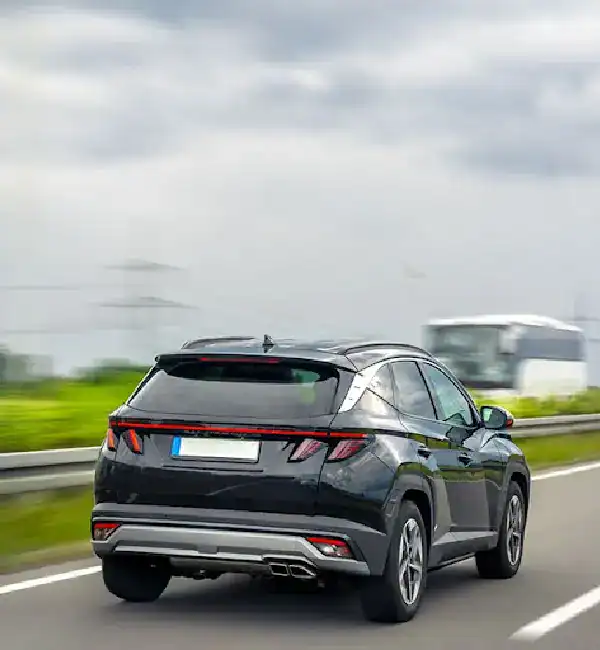
Hyundai and Kia vehicles have become some of the most popular cars on UAE roads, especially in Sharjah. Known for their stylish designs, fuel efficiency, and affordability, these Korean brands offer excellent value for families, professionals, and daily commuters. However, like any vehicle operating in the region’s demanding climate, Hyundai and Kia models can develop certain common issues over time.
That’s why choosing the right service center matters. At Blue Energy Auto Maintenance, best Korean car workshop in Sharjah, Hyundai and Kia owners receive specialized care tailored specifically to Korean vehicles. With expert technicians and advanced diagnostic tools, the workshop understands the unique engineering and technology behind these brands.
Let’s explore the most common Hyundai and Kia problems drivers face in Sharjah and why regular professional servicing is essential.
Engine Performance and Oil Consumption Issues
One of the most discussed concerns among some Hyundai and Kia owners is engine performance. Drivers may notice unusual knocking sounds, reduced acceleration, or increased engine oil consumption.
Sharjah’s high temperatures can place extra stress on engines, especially if routine oil changes are delayed. Engine oil plays a critical role in lubrication and cooling. When oil levels drop or degrade, internal components may wear faster, affecting performance.
Ignoring early engine symptoms can eventually lead to more serious mechanical damage. Regular servicing, timely oil changes, and proper inspection of engine components are essential to maintaining long-term reliability.
Transmission Concerns
Transmission systems in Korean cars like Kia and Hyundai are generally smooth and responsive. However, some drivers report delayed gear shifting, jerking while accelerating, or gear slipping, particularly in automatic models.
Heavy traffic conditions in Sharjah mean frequent stopping and starting, which puts additional strain on the transmission system. Over time, transmission fluid can degrade, lose effectiveness, and affect gear performance.
Routine transmission checks and fluid replacement are key preventive measures. Addressing small transmission irregularities early can prevent expensive repairs later.
Air Conditioning Performance Problems
In the UAE, a fully functioning air conditioning system is absolutely essential. During the summer months, temperatures can rise dramatically, making a weak AC system unbearable.
Korean cars may occasionally experience reduced cooling efficiency, inconsistent airflow, or compressor-related issues. Continuous exposure to heat and dust can affect AC components such as condensers, filters, and refrigerant lines.
Clogged cabin filters, refrigerant leaks, or worn compressors can reduce cooling performance. Regular AC servicing ensures that the system remains efficient, especially before peak summer begins.
Electrical and Sensor Malfunctions
Modern Korean cars are equipped with advanced electronics, including smart sensors, safety systems, infotainment controls, and engine management modules. While these features enhance driving comfort and safety, they can sometimes lead to electrical issues.
Common complaints include:
- Check engine warning lights
- ABS alerts
- Malfunctioning parking sensors
- Battery drainage
- Starting difficulties
Electrical problems can stem from weak batteries, faulty sensors, alternator issues, or wiring faults. Because modern vehicles rely heavily on computer-controlled systems, proper diagnostic testing is essential to identify the exact cause of the issue.
Replacing parts without an accurate diagnosis can increase repair costs unnecessarily.
Suspension and Steering Wear
Although UAE roads are generally well-maintained, everyday driving, speed bumps, and long-distance travel gradually affect suspension systems.
Hyundai and Kia owners may notice:
- Suspension noise
- Steering vibration
- Uneven tire wear
- Reduced ride comfort
Heat exposure can also impact rubber components such as bushings and mounts. Over time, worn suspension parts may compromise handling and stability.
Routine suspension inspections help maintain driving comfort and ensure safety, particularly during highway driving.
Brake System Wear and Noise
Brake wear is a natural part of vehicle maintenance. However, stop-and-go city traffic can accelerate brake pad deterioration.
Some common brake-related signs include:
- Squeaking or grinding noises
- Vibration during braking
- Reduced stopping power
Worn brake pads or warped brake discs can reduce overall braking efficiency. Using low-quality replacement parts may further affect performance.
Timely brake inspections are critical to maintaining road safety. Reliable braking ensures driver confidence and passenger protection.
Battery Life and Starting Problems
Due to Sharjah’s intense heat, car batteries often have a shorter lifespan compared to cooler climates. Many Hyundai and Kia batteries last between two to three years before showing signs of weakness.
Drivers may experience:
- Slow engine cranking
- Difficulty starting the car
- Dashboard warning lights
Extreme heat accelerates battery fluid evaporation and internal wear. Additionally, short trips and heavy electrical usage can reduce battery efficiency.
Regular battery testing prevents unexpected breakdowns, especially during peak summer months when battery failures are most common.
Why Specialized Korean Vehicle Care Matters
Korean cars like Hyundai and Kia cars are engineered with specific software systems, electronic configurations, and mechanical designs. Servicing these vehicles requires familiarity with Korean automotive technology.
Choosing a workshop that specializes in Korean cars ensures:
- Accurate diagnostic testing
- Proper use of manufacturer-recommended parts
- Skilled handling of electronic systems
- Long-term reliability
Professional preventive maintenance not only improves performance but also extends the lifespan of your vehicle.
Conclusion
Korean cars are dependable, efficient, and well-suited for driving in Sharjah. However, the region’s high temperatures, traffic conditions, and daily driving demands can contribute to common issues such as engine concerns, transmission irregularities, AC problems, electrical faults, suspension wear, brake deterioration, and battery failure.
Being aware of these potential problems allows owners to take timely action and avoid major repair expenses. Regular inspections and professional servicing make a significant difference in maintaining vehicle safety and performance.
For expert care tailored specifically to Korean vehicles, visit Blue Energy Auto Maintenance – the best Korean car workshop in Sharjah. Their experienced team provides reliable diagnostics, professional servicing, and specialized maintenance designed to keep your Korean cars running smoothly and efficiently on UAE roads.

Frequently Asked Questions (FAQ)
1. How often should I service my Hyundai or Kia in Sharjah?
In UAE conditions, it’s recommended to service your Hyundai or Kia every 8,000 to 10,000 km, depending on your driving habits. Frequent city driving and extreme heat may require slightly earlier servicing.
2. Are Hyundai and Kia spare parts expensive in the UAE?
Hyundai and Kia spare parts are generally affordable compared to many other brands. However, prices may vary depending on whether you choose genuine, OEM, or aftermarket parts.
3. How long do Hyundai and Kia cars typically last in UAE conditions?
With proper maintenance, Hyundai and Kia vehicles can easily last 200,000 km or more. Regular servicing and timely repairs are key to longevity.
4. Why does my Hyundai or Kia check the engine light to turn on randomly?
The check engine light can activate for various reasons, including sensor issues, fuel system irregularities, or emission-related faults. A proper diagnostic scan is required to identify the exact cause.
5. Is it safe to drive with a minor transmission delay?
Even minor transmission delays should not be ignored. Continuing to drive without inspection can worsen the issue and lead to costly repairs.
6. How can I improve fuel efficiency in my Hyundai or Kia?
Maintaining correct tire pressure, servicing the engine regularly, replacing air filters on time, and using quality fuel can significantly improve fuel efficiency.
7. Does UAE heat affect my car’s paint and interior?
Yes. Prolonged sun exposure can fade paint, damage dashboards, and crack interior materials. Using sunshades and protective coatings helps reduce damage.
8. When should I replace my Hyundai or Kia timing belt?
Timing belt replacement intervals vary by model, but many require inspection around 90,000 to 100,000 km. Delaying replacement can cause serious engine damage.